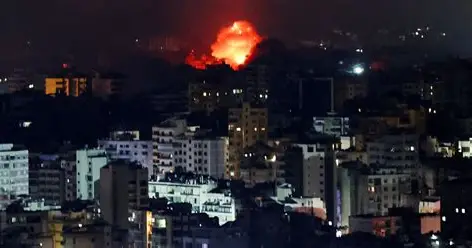
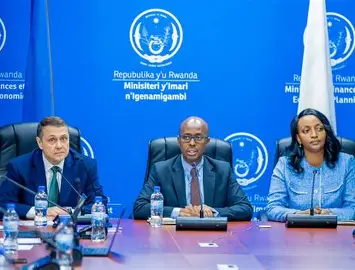
Rwanda’s Minister of Finance and Economic Planning, Yusuf Murangwa, stated that the government is closely monitoring potential economic effects from the conflict triggered by U.S. strikes on Iran and assured that contingency measures are underway.
Speaking to Radio Rwanda, Murangwa explained that conflicts of this scale often push up global oil and commodity prices. “We have already observed oil prices rising by around 10%, with other goods increasing between 10% and 20%,” he said.
To mitigate impacts, the government has engaged with petroleum traders to ensure adequate stockpiles and financial support through banks. “We are helping traders access sufficient funds to maintain adequate reserves. If the conflict is short-lived less than two weeks prices could stabilize without major disruption,” he added.
The minister highlighted the strategic importance of the Strait of Hormuz, through which 20% of global oil trade passes. Since the conflict began, some petroleum transport has been suspended due to security concerns, including attacks on three cargo vessels attempting transit.
Murangwa warned that if the conflict lasts beyond two weeks, additional measures will be implemented to support traders and maintain industrial and service supply chains. He emphasized Rwanda’s preparedness to mobilize resources quickly in the event of prolonged disruptions.
“Currently, petroleum reserves are sufficient for two weeks to one month. Beyond that, we have contingency plans and alternative sourcing options,” Murangwa said, noting that small price increases may occur but should stabilize if the conflict remains short.
The minister concluded by reiterating that Rwanda is ready to implement further economic measures if the conflict between Iran and the U.S. extends beyond one month.