Members of the Senate of Rwanda have called on Prime Minister Justin Nsengiyumva to outline the Government’s strategy for addressing pressing challenges in the livestock sector that continue to affect farmers.
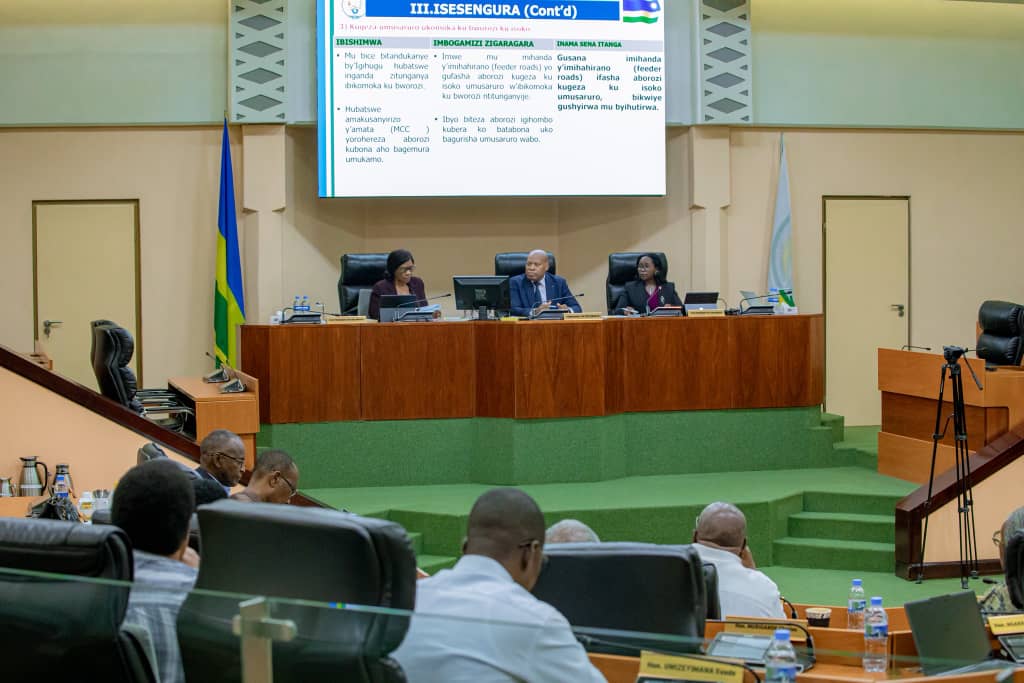
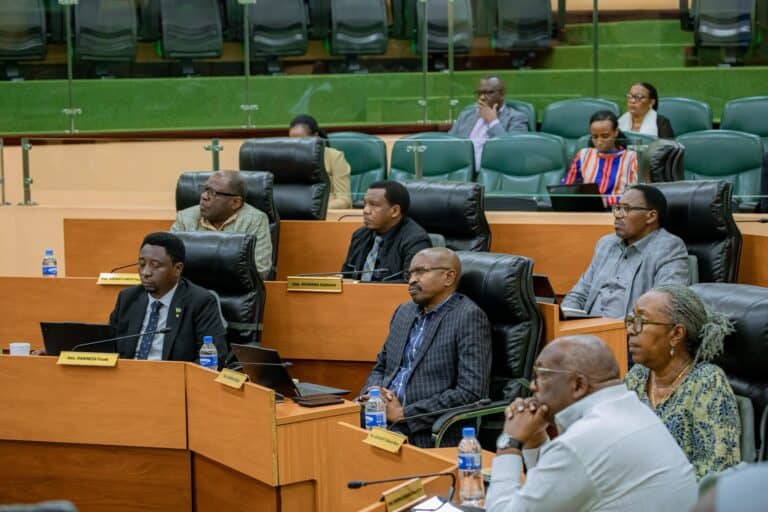
The concerns were raised on Monday, March 3, 2026, as Senators examined a follow-up oversight report compiled after visits to livestock projects across various parts of the country.
The report highlights several persistent issues, including delays and shortages in the supply of cattle semen for artificial insemination, largely attributed to a lack of nitrogen used for storage and transportation.
Senators also noted that aircraft used to deliver livestock semen efficiently and professionally do not reach some remote areas, particularly in districts such as Rusizi District and Nyamasheke District.
Lawmakers further expressed concern that the zero-grazing policy is not being consistently implemented, with some farmers continuing to graze livestock in open fields.
They also pointed to the absence of regulated pricing for veterinary medicines, leaving costs to be determined solely by market forces and often resulting in high prices.
Senator Marie-Rose Mureshyankwano observed that while livestock numbers have increased and the sector has registered growth, challenges persist in livestock insurance. She alleged that insurance companies sometimes fail to compensate farmers fairly.
“When an animal dies, it is often the insurance company that assesses the cause of death, and in many cases, they claim that the owner was responsible in order to avoid compensation,” she said. “Farmers are calling for an independent expert to assess the cause of livestock deaths.”
Senator Fulgence Nsengiyumva raised concerns about the high cost of animal feed, noting that although some farmers attempt to produce their own feed, prices remain prohibitive.
On veterinary diagnostic laboratories, Senator Télesphore Ngarambe stated that the country currently has only five laboratories nationwide two of which are located in the Eastern Province—while none are situated in the Northern Province. He noted that farmers sometimes lose animals before receiving diagnostic results.
Senator Adrie Umuhire highlighted concerns about the quality and origin of certain veterinary medicines, warning that some expensive drugs on the market fail to meet standards.
“Some of these medicines are costly and substandard,” she said. “Farmers have reported cases where drugs intended to treat animals have instead caused harm, including blindness.”
She also noted that in some parts of Kigali, livestock farmers face restrictions when attempting to renovate or upgrade animal shelters.
Senator Alvera Mukabaramba emphasized the need for stricter regulation of veterinary pharmaceuticals. She observed that, unlike human medicines which are imported and distributed through recognized institutions, there are no specialized institutions solely mandated to regulate veterinary drugs, and licensed veterinary pharmacies remain limited.
On a broader policy level, Senator Cyprien Niyomugabo stressed the importance of promoting small livestock farming. He encouraged greater emphasis on rearing animals such as rabbits, which could contribute significantly to food security.
He added that some communities continue to undervalue small livestock meat due to misconceptions, opting instead for beef even when it fails to meet quality standards because of cultural perceptions about which animals are appropriate for consumption.
The Senate’s deliberations underscore growing calls for comprehensive reforms to strengthen livestock production, improve service delivery to farmers, and enhance regulatory oversight across the sector.