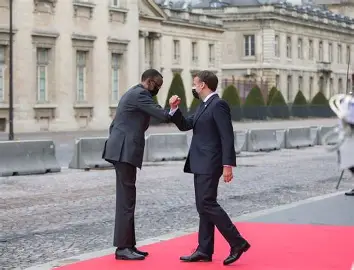
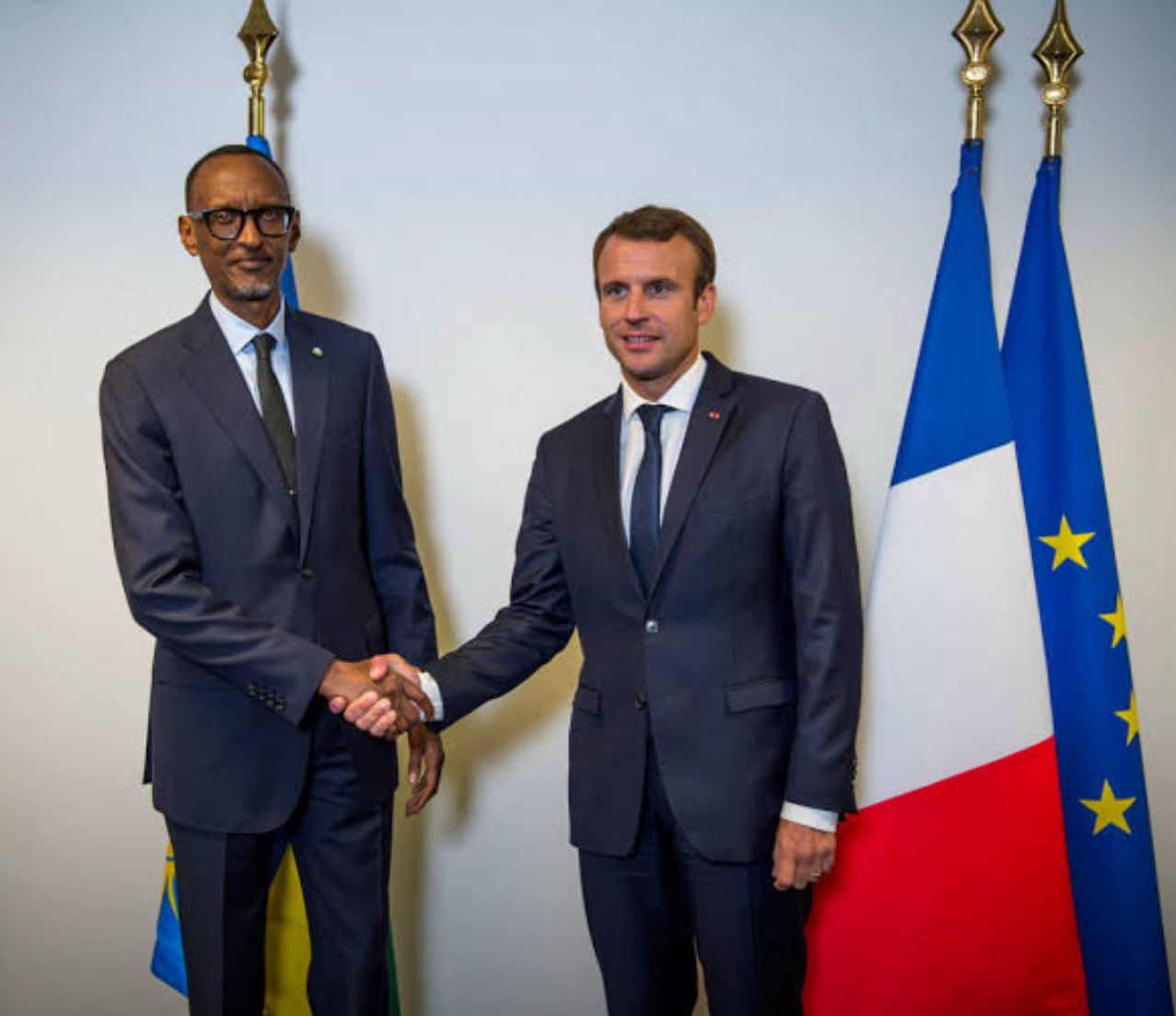
PARIS – President Paul Kagame is expected in the French capital on March 10, 2026, for a strategic visit that places Rwanda at the center of global discussions on nuclear energy, industrial transformation, and regional security.
The Rwandan Head of State will join French President Emmanuel Macron and Rafael Grossi, Director General of the International Atomic Energy Agency, at the Nuclear Energy Summit a high-level forum dedicated to the future of civil nuclear power and the global energy transition.
Organized in collaboration with the International Atomic Energy Agency, the summit convenes heads of state, policymakers and energy experts to examine how nuclear technology can support sustainable development while advancing climate objectives. Kagame is expected to participate in a presidential panel, where he will advocate for civil nuclear energy as a catalyst for industrialization and energy sovereignty across Africa.
Rwanda’s participation comes at a pivotal moment in its long-term development strategy. Over the past decade, Kigali has prioritized diversifying its energy mix to reduce reliance on imported fossil fuels and mitigate hydropower vulnerabilities linked to climate change. Under Kagame’s leadership, Rwanda has positioned itself as a regional pioneer in exploring small modular reactors (SMRs) and other advanced nuclear technologies tailored to emerging economies.
Government officials argue that reliable baseload power is critical to accelerating manufacturing, digital infrastructure, mining, and value-added industries. For Rwanda, nuclear energy extends beyond electricity generation; it represents a broader vision of technological advancement, human capital development, and strategic autonomy.
Kagame’s intervention in Paris is therefore expected to frame nuclear power as a development equalizer one that could enable African nations to leapfrog chronic energy deficits that have historically constrained economic growth.
Diplomatic Undercurrents
While energy cooperation forms the official agenda, the geopolitical context of the visit carries significant weight.
President Macron is scheduled to hold a private sideline meeting with Kagame to discuss escalating insecurity in eastern Democratic Republic of Congo. The talks come shortly after the United States imposed new sanctions on Rwandan military officials, alleging Kigali’s support for the M23 rebel group has undermined peace efforts. Rwanda has consistently denied direct military involvement, maintaining that its actions are centered on border security and the protection of national interests.
France, historically influential in Central Africa, finds itself navigating a delicate diplomatic balance seeking to preserve its strategic partnership with Kigali while supporting regional stability and international mediation efforts.
The summit also symbolizes the continued normalization of relations between Paris and Kigali following decades of tension over France’s role before and during the 1994 Genocide against the Tutsi. In 2021, France acknowledged its “heavy responsibility” in the events leading up to the genocide, a landmark moment widely viewed as a turning point in bilateral ties.
Since then, economic cooperation, cultural exchanges, and diplomatic engagement have intensified. Kagame’s presence in Paris including his participation in last year’s Summit of La Francophonie signals sustained efforts to deepen collaboration in trade, education, innovation, and technology.
Energy Diplomacy Meets Geopolitics
However, renewed instability in eastern Congo threatens to test this recalibrated partnership. As Western governments increase scrutiny over developments in the region, Rwanda’s diplomatic positioning becomes more complex.
Kagame’s Paris visit therefore unfolds at the intersection of energy diplomacy and geopolitical tension. On one front, Rwanda seeks to project itself as a forward-looking nation embracing advanced technologies to secure long-term prosperity. On another, it must navigate mounting international pressure related to regional security dynamics.
For France, hosting Rwanda at a summit dedicated to nuclear innovation reinforces Paris’s ambition to remain influential in Africa’s evolving energy landscape. It also reflects Macron’s broader effort to position France as both a climate leader and a strategic interlocutor in African affairs.
As discussions commence in Paris, the outcomes of Kagame’s engagements could shape not only Rwanda’s energy trajectory but also the broader diplomatic architecture of Central Africa.