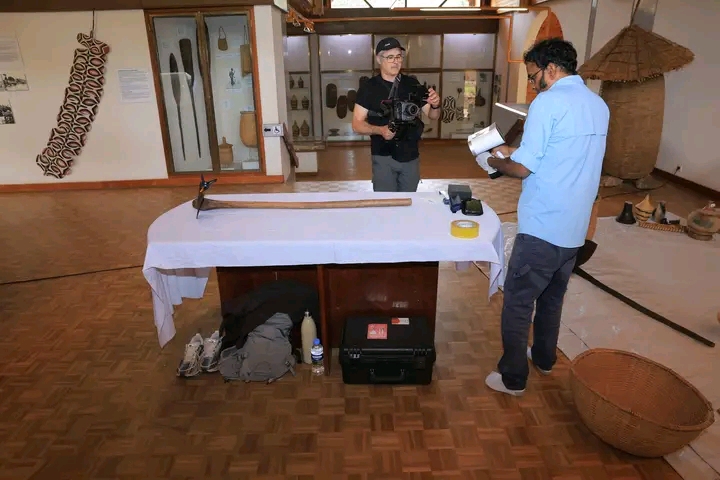
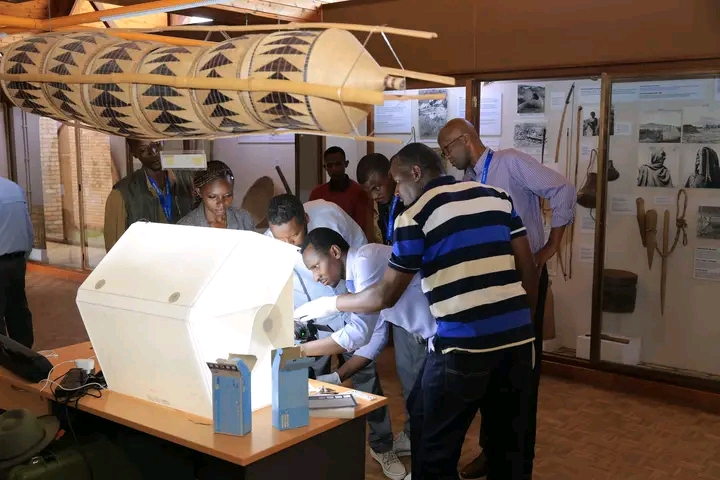
Staff from museums across Rwanda have received specialized training in using 3D technology to digitally document and preserve cultural artifacts, a move aimed at protecting the country’s heritage and making it accessible to a global audience.
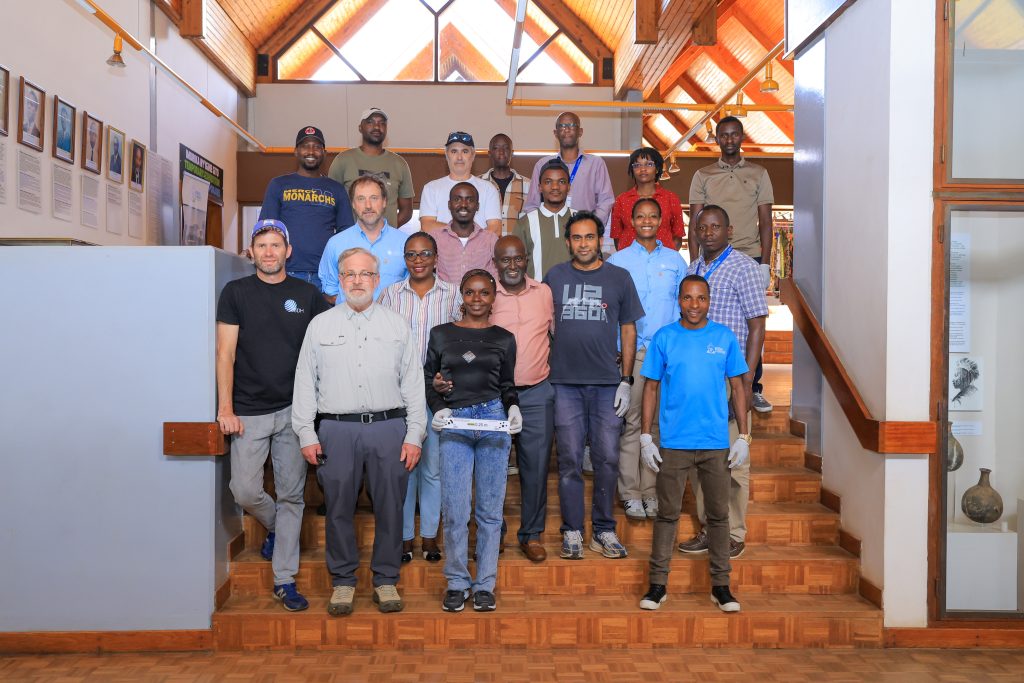
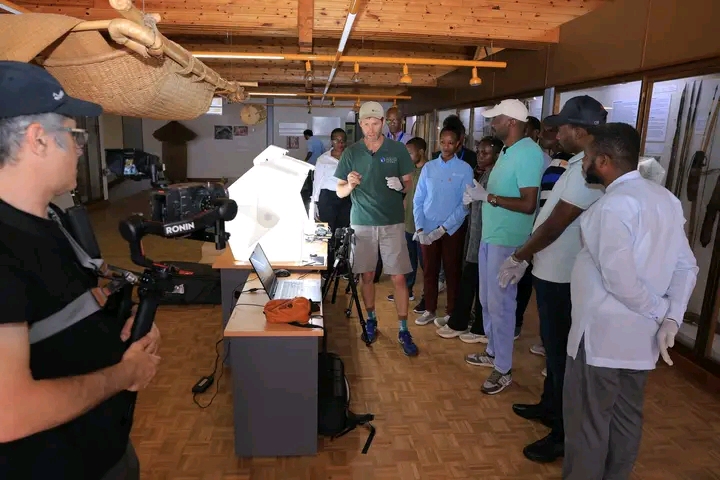
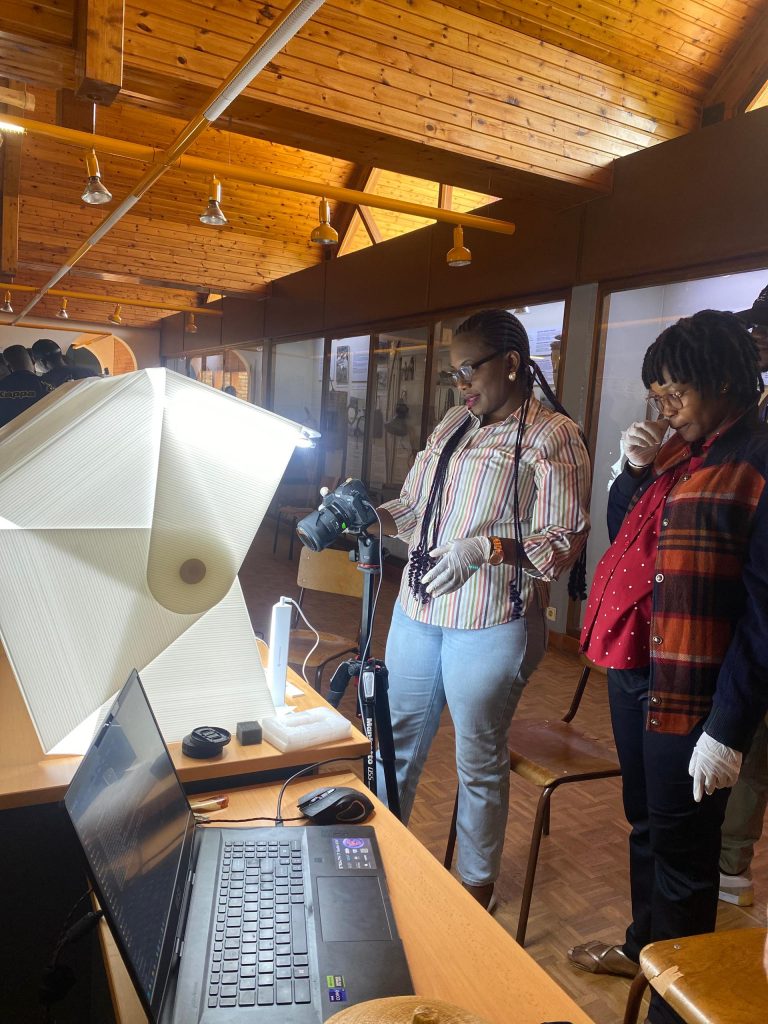
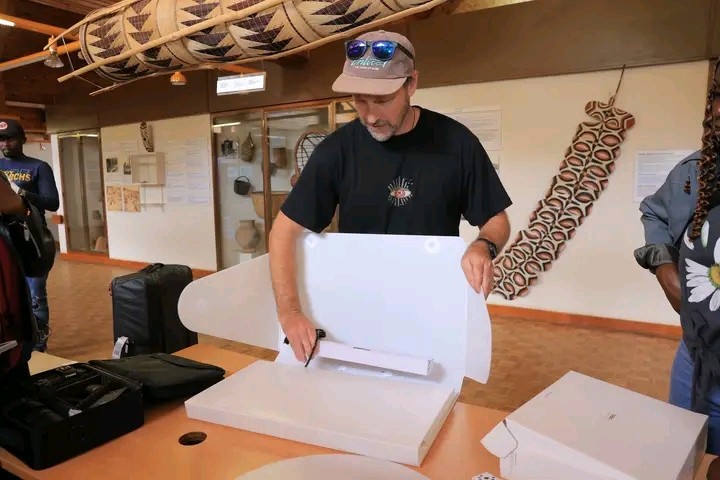
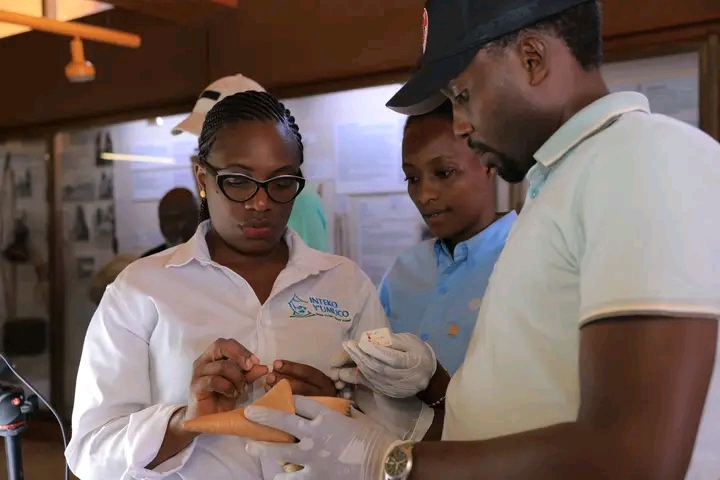
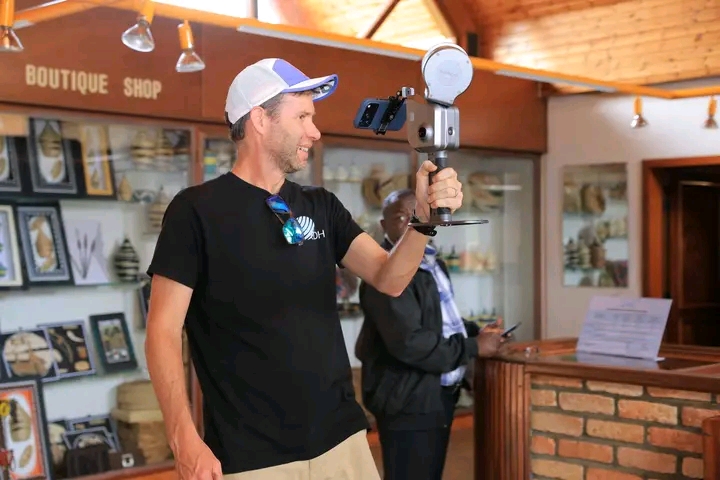
The week-long training, which began on March 23, 2026, was conducted by the American organization Global Digital Heritage and brought together museum professionals responsible for managing and preserving exhibits in various museums nationwide.
According to Muhoza Chantal, a staff member at the Rwanda Cultural Heritage Academy responsible for exhibitions and monitoring digitalization projects for museums and historical sites, the training aimed to equip participants with advanced digital skills for preserving Rwanda’s heritage.
She explained that participants learned how to digitize cultural artifacts found in museums and historical sites, including the Musanze Caves, using modern technology.
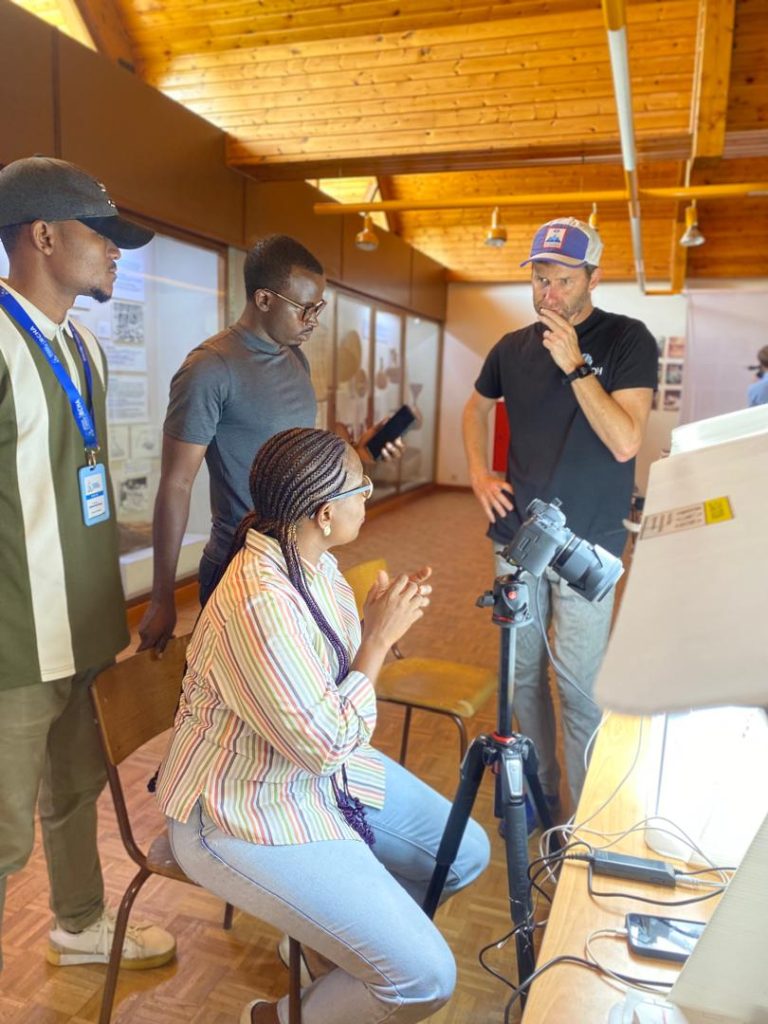
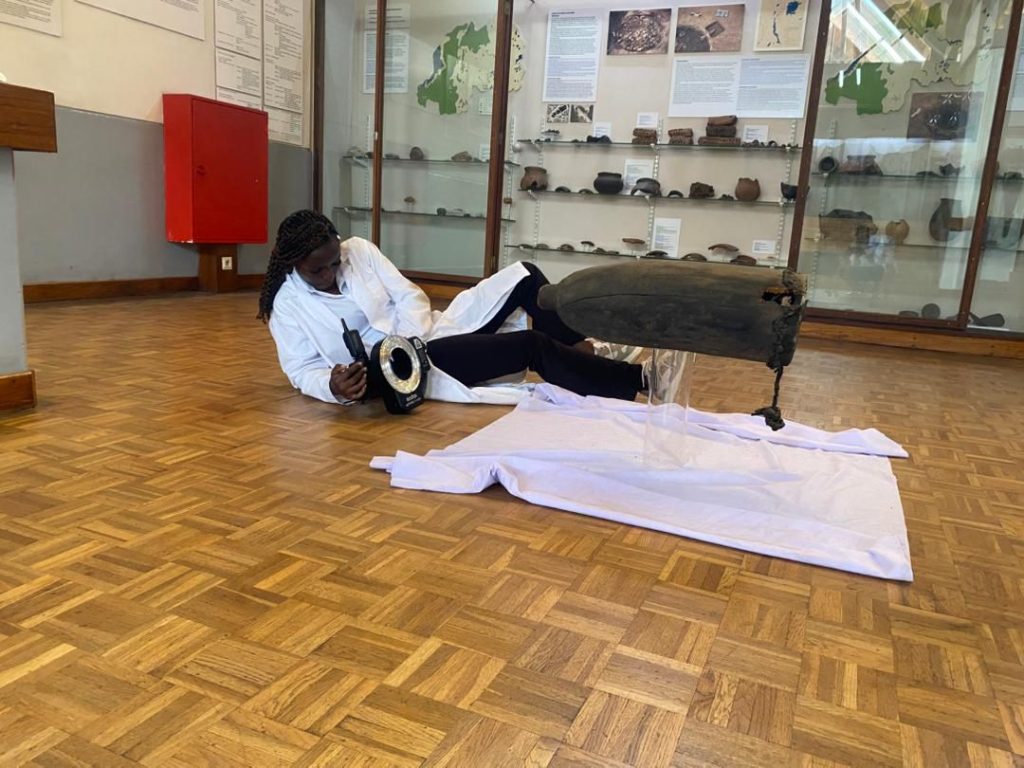
Muhoza said the training focused on the use of 3D imaging technology, which allows artifacts to be photographed and recorded from every angle so that viewers can examine them virtually from anywhere.
“3D technology allows an object to be viewed from all sides,” she said. “Previously we used ordinary photographs that only showed one side, but now someone will be able to rotate the object and study it in detail using digital tools.”
She noted that digitizing museum collections will help promote Rwanda’s cultural heritage internationally, enabling anyone with internet access to virtually visit museums without physically traveling to their locations.
“This will help showcase what is preserved in our museums because people anywhere in the world will be able to visit them using a phone or computer,” she explained. “They will also access detailed information about the artifacts, which will help researchers studying culture, heritage and the history of Rwanda.”
The digital content will be made available on the official platforms of the Rwanda Cultural Heritage Academy, allowing global audiences to explore digitized museum collections online.
Muhoza added that the training will also reduce the costs previously incurred by hiring foreign companies to digitize museum artifacts.
“In the past, digitizing museum objects was done by private companies from abroad, which made it expensive and sometimes slowed down projects. Now our staff will be able to do it themselves,” she said.
Participants in the training said they gained practical knowledge that will improve their daily work.
Utezeneza Isaro Rosine, who works at the King’s Palace Museum, said the training is important because technology helps information reach wider audiences more quickly.
“In today’s world, technology is essential and it allows information to reach people far away in a short time,” she said.
Meanwhile, Nsengumuremyi Anastase, who works at the Rwanda Ethnographic Museum, said they learned how to use cameras to capture images of artifacts from all angles and store them in a digital system.
“We learned how to photograph an object from all sides, assign it a number and code, and store it in a digital system so that its information remains permanently available,” he said.
The training is part of broader efforts to modernize how Rwanda preserves and promotes its cultural heritage, ensuring that the country’s history and traditions remain protected and accessible to people around the world.