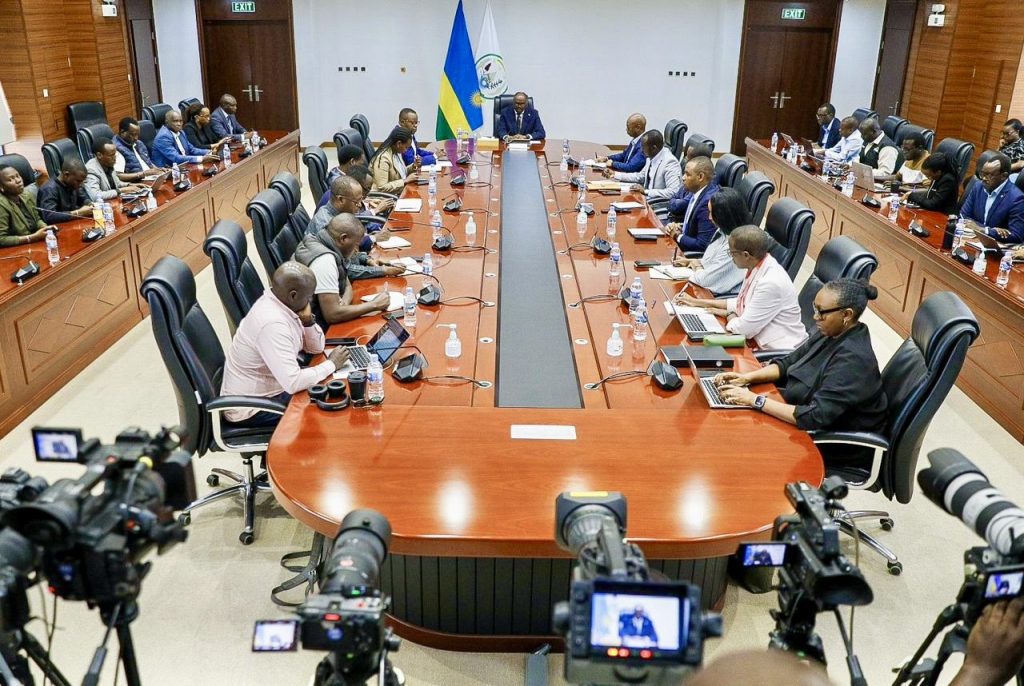
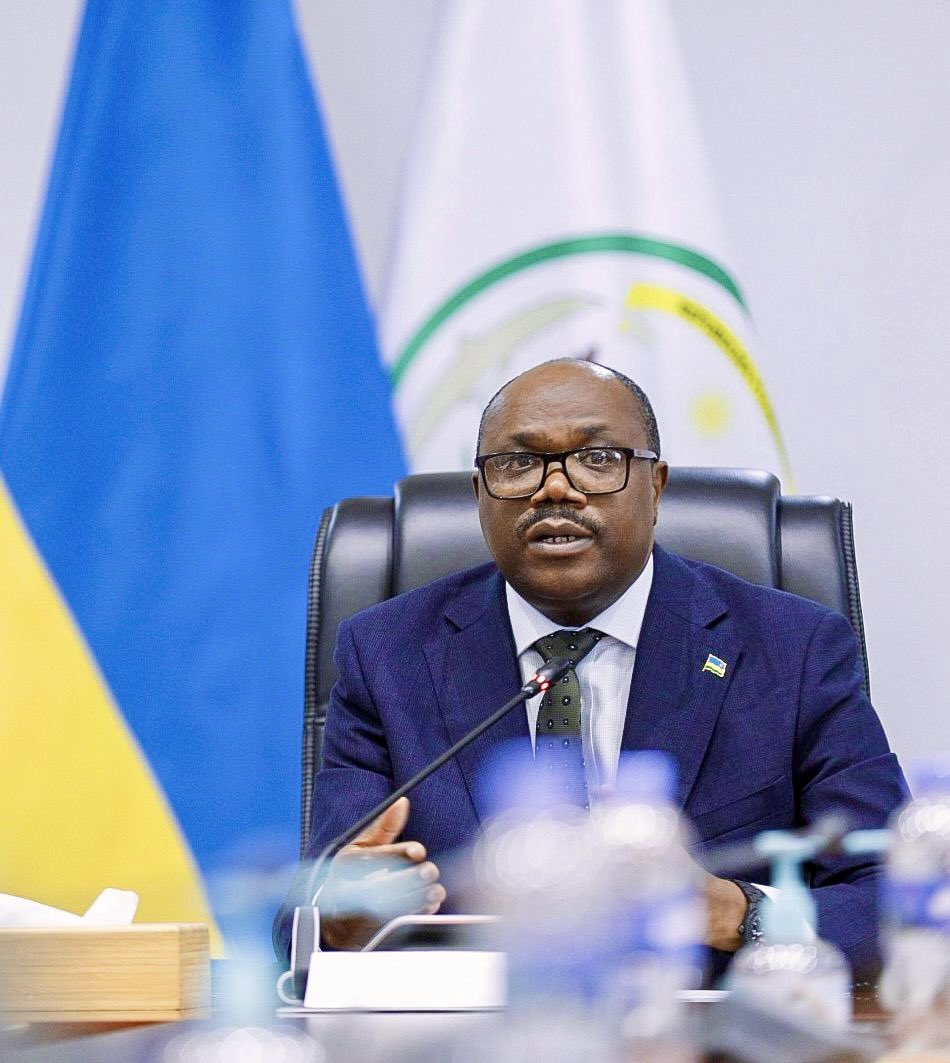
Prime Minister Justin Nsengiyumva has warned that prices in Rwanda are expected to rise due to the economic impact of the ongoing conflict in the Middle East.
The remarks were made on Friday during a press briefing on the state of Rwanda’s economy and the possible effects of the tensions involving Iran, the United States and Israel.
Nsengiyumva explained that the conflict has already affected global energy and transport costs. He noted that the price of a barrel of oil has increased from about $70 to nearly $100 on international markets.
According to the Prime Minister, this rise in global prices will inevitably affect Rwanda, as traders may struggle to import goods if domestic prices remain unchanged while global supply costs increase.
“Even though we currently have relatively lower prices, our traders may face difficulties importing goods. That is why the government has been trying to support them so they can continue to restock, but the current global market price does not allow us to maintain the same prices indefinitely,” he said.
Nsengiyumva also revealed that the government has been subsidizing fuel prices for about a month in order to cushion citizens from the sharp increase. However, he stressed that such subsidies cannot continue for a long time because they require significant financial resources.
To help reduce the impact, the Prime Minister urged citizens to use fuel responsibly, avoid unnecessary travel and rely more on public transport systems, including electric buses.
“We encourage Rwandans to use the available petroleum products carefully. This includes reconsidering unnecessary travel and using public buses, including electric ones, which can help reduce national fuel consumption,” he said.
The Prime Minister added that the conflict could also disrupt international trade routes. Some supply routes previously passing through the United Arab Emirates have been affected, which could impact both imports and exports.
He therefore encouraged citizens to prioritize locally produced goods under the “Made in Rwanda” initiative and increase domestic production, particularly in agriculture and livestock.
“We encourage people to support locally made products and increase production, especially in agriculture and livestock, rather than simply blaming the war while we have the capacity to produce more and meet our own needs,” he said.
Nsengiyumva also warned traders not to take advantage of the situation to increase prices excessively in the local market.
He assured the public that the government will continue monitoring price trends closely to prevent excessive inflation and protect citizens from severe economic shocks.