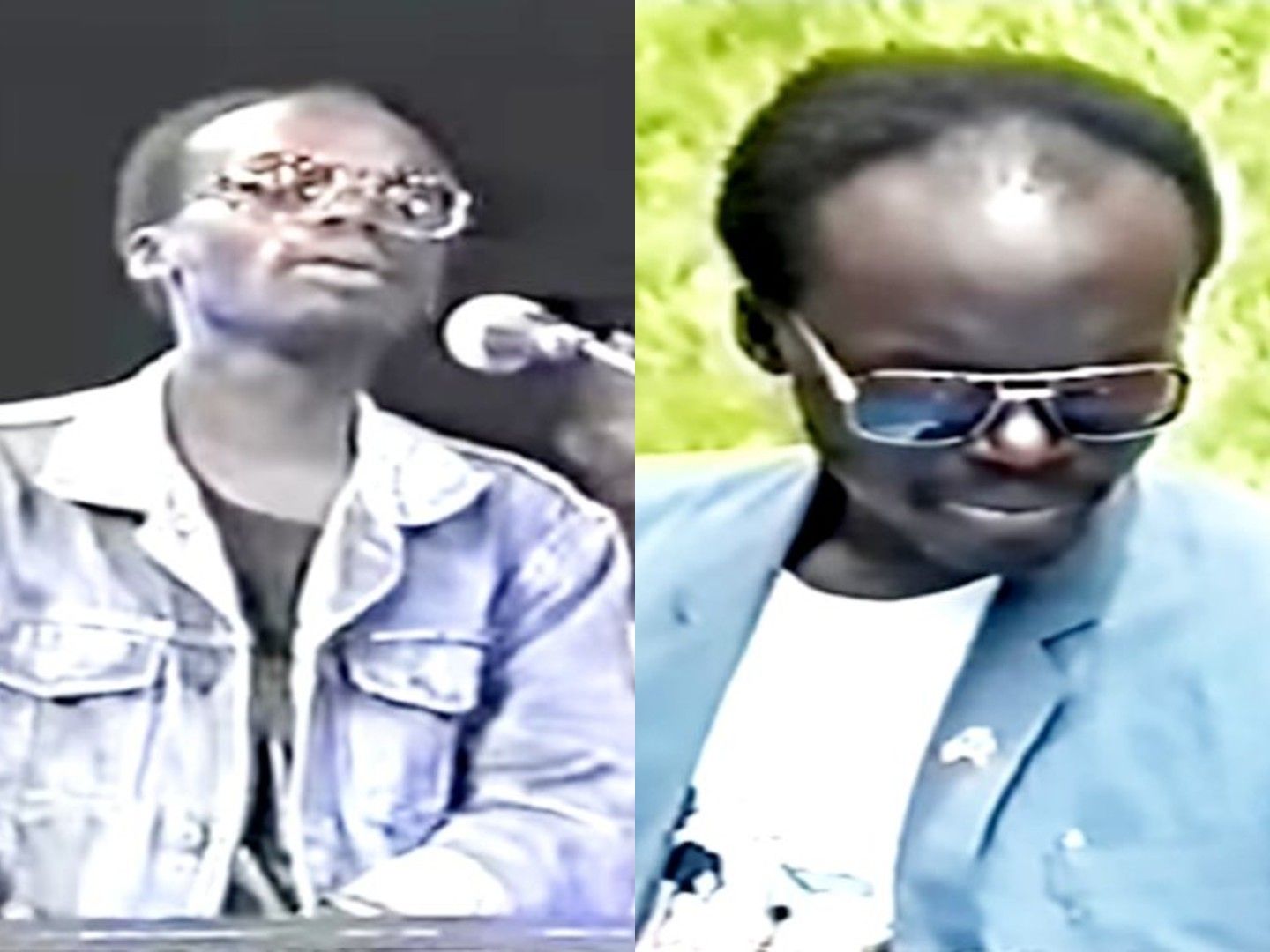
The Genocide against the Tutsi in Rwanda in 1994 claimed the lives of more than one million people, including many talented artists. Among them was Karemera Rodrigue, whose remarkable musical legacy continues to inspire Rwandans today.
Early Life
Karemera Rodrigue was born in 1957 in Rwamagana, in Rwanda’s Eastern Province. He was the firstborn in a family of four children.
He attended primary school at Saint Aloys in Rwamagana and later studied at Petit Séminaire de Zaza in Ngoma District for his secondary education.
In 1973, following the coup led by Juvénal Habyarimana against Grégoire Kayibanda, many Tutsi families, including Rodrigue’s, were persecuted. At the time, Rodrigue was in his fourth year of secondary school and was forced to flee to Burundi, where he continued and completed his studies.
Return to Rwanda
In 1977, Rodrigue returned to Rwanda with the support of Bishop Sibomana, who had hoped he would become a priest. He enrolled at Nyakibanda Major Seminary in Huye District to study for the priesthood.
However, despite his religious studies, his passion for music remained strong. Eventually, he decided to leave the seminary and pursue life as a lay Christian and musician.
In 1983, he married his longtime partner, Mukakibibi Madelene, and together they had three children. Tragically, he was killed alongside his wife and their firstborn child during the genocide.
Musical Journey
Rodrigue’s love for music began in childhood, singing in church choirs and serving as an altar boy.
After leaving the seminary, he traveled to Austria, where he spent three years studying music and learning to play instruments such as the piano, guitar, and drums.
Upon returning to Rwanda, he built a successful music career, producing popular songs such as “Ubalijoro,” “Kwibuka,” “Uwo Wemeye,” “Mpinganzima,” “Mon Coeur Rebelle,” and “Mukazi.”
He was also part of a music group called PAMARO, alongside three other young men. The group became well known in Rwanda during the 1980s, with songs like “Ihorere.”
In 1990, Rodrigue worked with the Ministry of Education, composing songs for young children, including “Kanyamanza Keza” and “Akazuba ko mu Museso.”
A uniquely gifted artist, Rodrigue was fluent in six languages: Kinyarwanda, English, French, Italian, German, and Swahili. His ability to sing in multiple languages helped his music reach audiences beyond Rwanda.
Stories Behind His Songs
“Kwibuka” was composed in memory of his friend Edmond, whom he met at Zaza Seminary. Contrary to popular belief, it was not about a romantic relationship but a tribute to friendship and loss.
“Indahiro” was dedicated to his wife, Madelene.
“Ubalijoro” expressed longing for a relative living in Uganda, urging them to return home to Rwanda.
“Mukazi” was inspired by a friend’s heartbreak after being left by his partner.
Death and Legacy
On May 20, 1994, Karemera Rodrigue, his wife, and their firstborn child were killed in Gikondo, Kigali, at a place known as Camp Zaire. They were attacked by Interahamwe militias, and Rodrigue was shot dead.
Two of his children survived the attack and are still alive today. After the genocide, it was also discovered that Rodrigue had another child, Karemera Patrick, who is currently living in Rwamagana.
More than 30 years after his death, Rodrigue’s music continues to live on, cherished for its artistic depth and meaningful messages. His legacy remains an important part of Rwanda’s cultural history.