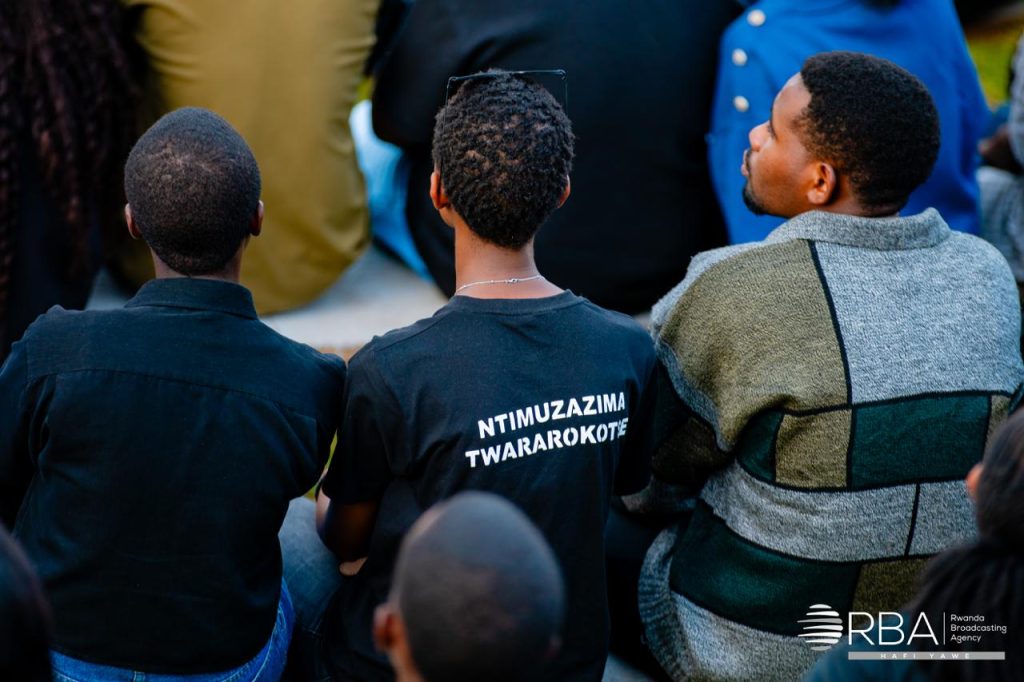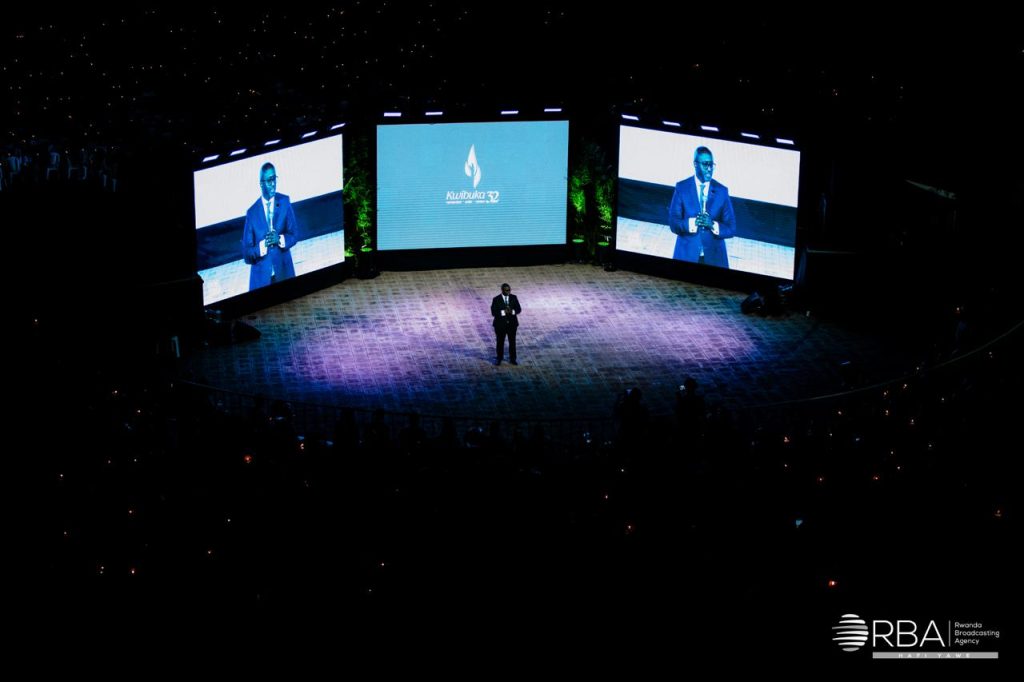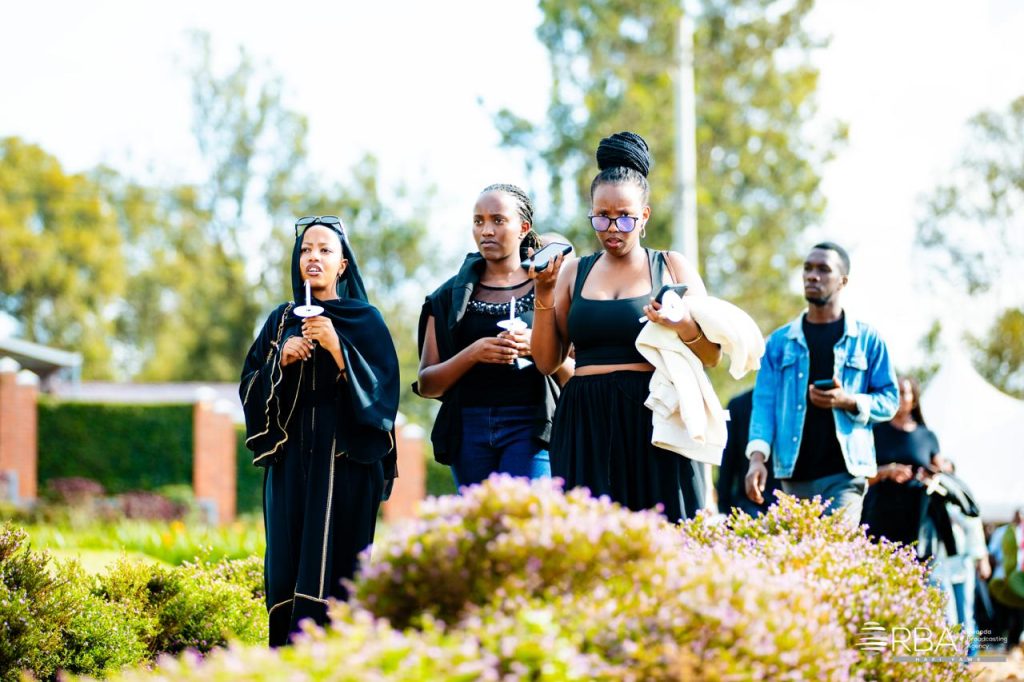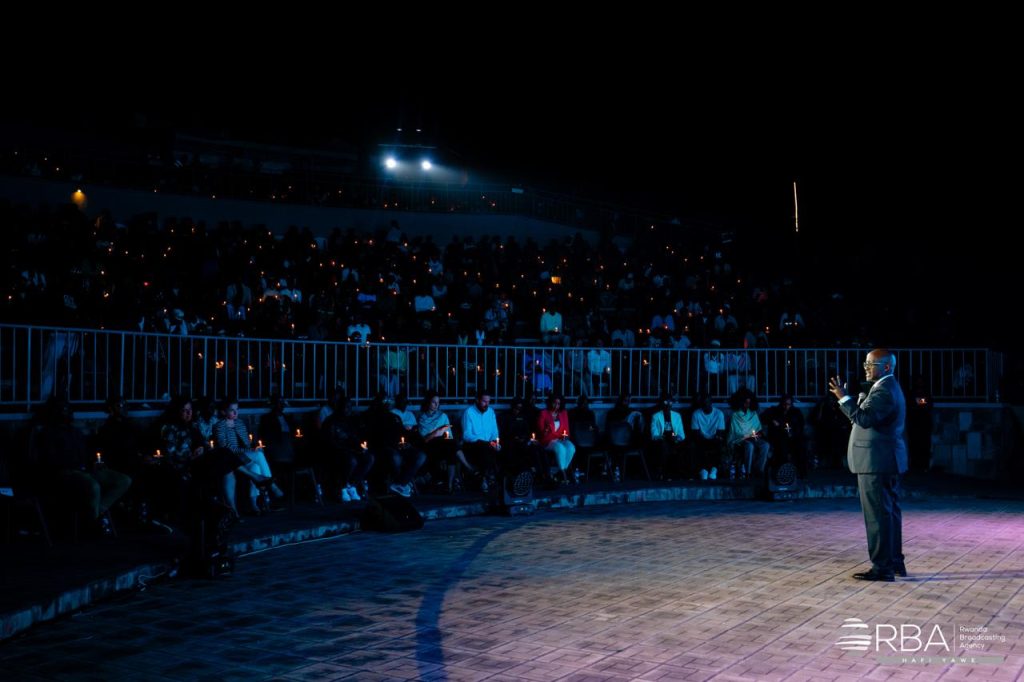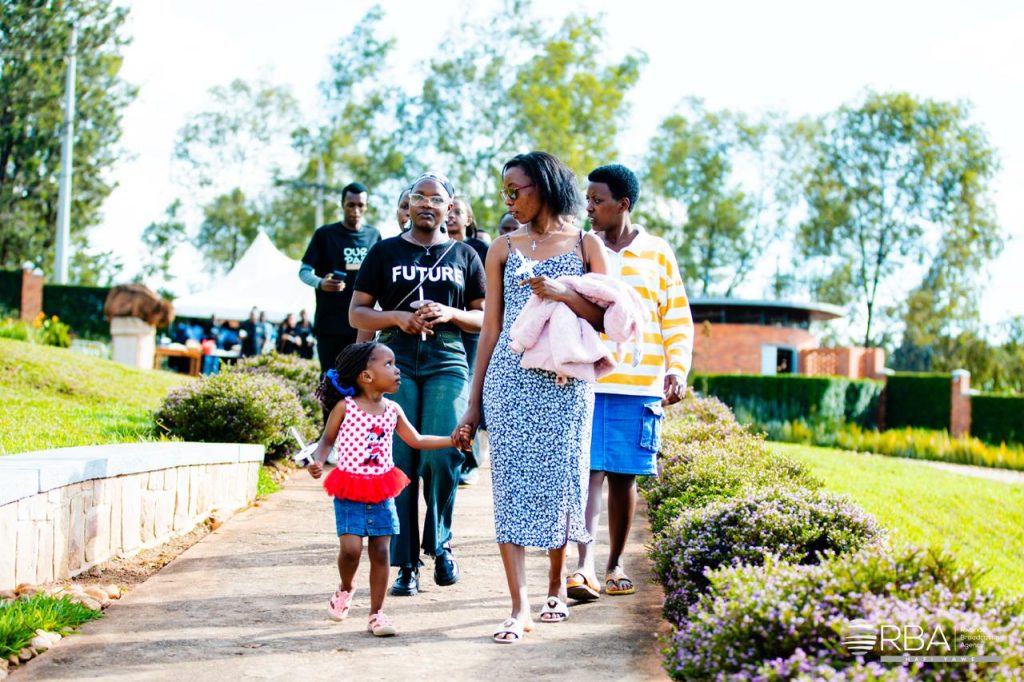
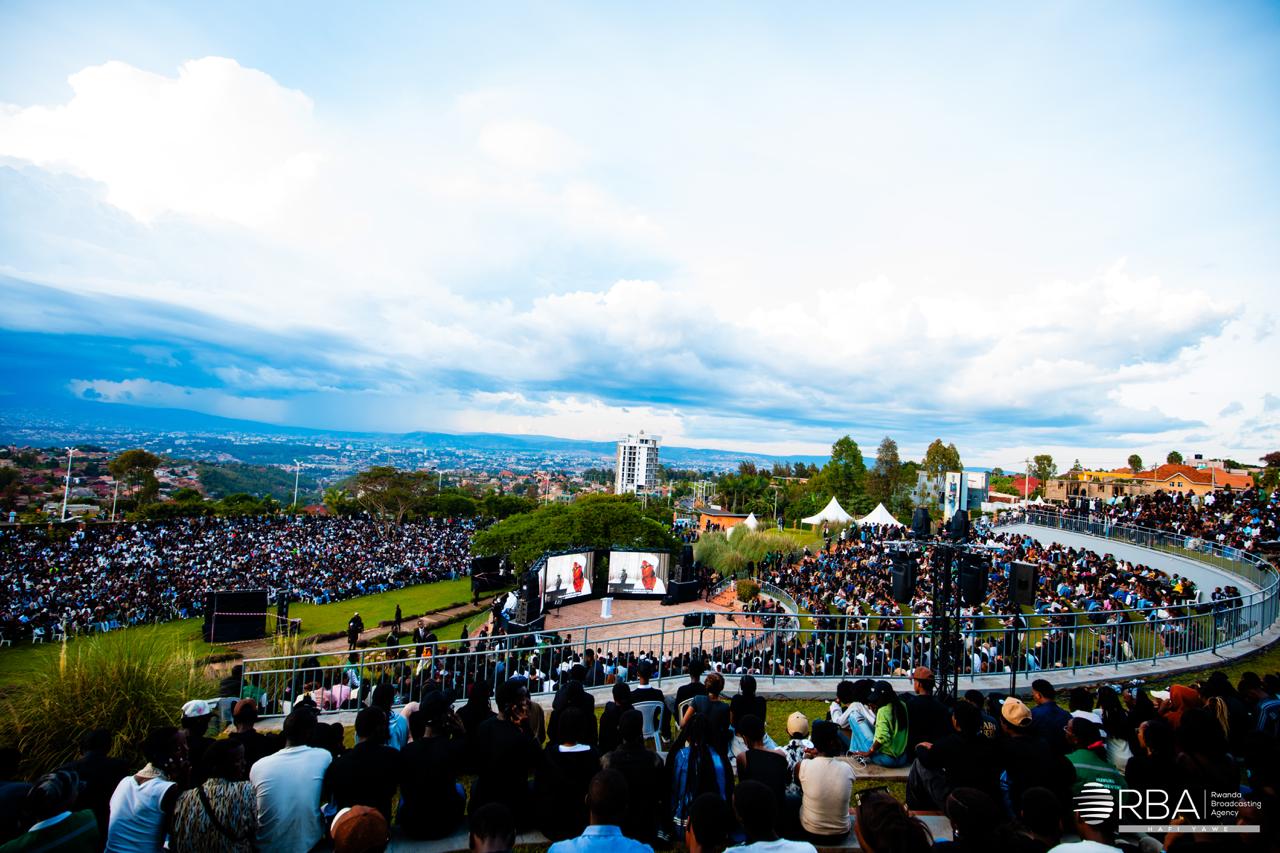
Youth from across the country gathered at the garden of the Nyanza–Kicukiro Genocide Memorial for an event dubbed “Our Past,” aimed at discussing and learning about the history of the Genocide against the Tutsi.
The event was organized by Our Past Initiative, a youth organization founded in 2012 by Christian Intwari. The initiative seeks to educate young people about the Genocide against the Tutsi and promote unity and reconciliation among Rwandans.
Among those who attended the gathering were several government officials and representatives of international organizations, including Rwanda’s Minister of Foreign Affairs and International Cooperation, Olivier Nduhungirehe; the Minister of Youth, Jean Nepo Abdallah; and the European Union Ambassador to Rwanda, Belén Calvo Uyarra.
During the event, participants listened to testimony from Nsengiyumva Issa, a survivor of the 1994 Genocide against the Tutsi. He recounted how he and his family, who lived in Kagarama Sector of Kicukiro District, fled to the former ETO Kicukiro when the genocide began.
Issa, who was nine years old at the time, explained that they were later taken to Nyanza in Kicukiro, where many people were killed. Although he survived, his parents were murdered there and are now buried at the memorial site.
Reflecting on his survival, he said he later encountered the soldiers of the Rwandan Patriotic Front who rescued him.
“We thank God who gave strength to the Inkotanyi to save us. If the Inkotanyi had not liberated Rwanda, you would not see me here today; I would be buried in this memorial,” he said.
Participants also watched a play titled “Inzibutso” performed by the Our Past acting group. The performance highlighted the long journey of the genocide’s aftermath, portraying how survivors have struggled to rebuild their lives and heal from trauma.
The play also reflected on the process of reconciliation, showing how survivors have found the strength to forgive, while some perpetrators have acknowledged their crimes, asked for forgiveness, and sought reintegration into Rwandan society.
During the event, participants lit the Flame of Hope, symbolizing the resilience of survivors and the determination to build a peaceful and inclusive future.
Leaders and representatives of international organizations also joined the youth in the commemoration.
Delphine Mizero, Executive Secretary of Peace and Love Proclaimers, reminded young people of their responsibility to preserve the memory of the genocide and challenge genocide denial and distortion.
“When young people remember, it means that those who come after us will also remember. It is our responsibility to confront those who deny or minimize the Genocide against the Tutsi,” she said.
She further urged youth to continue supporting genocide survivors, especially during the period of remembrance, by offering comfort and solidarity.
“Our Past” youth gathering reflects the commitment of Rwanda’s younger generation to safeguard history, fight genocide ideology, and contribute to building a future defined by unity and peace.