
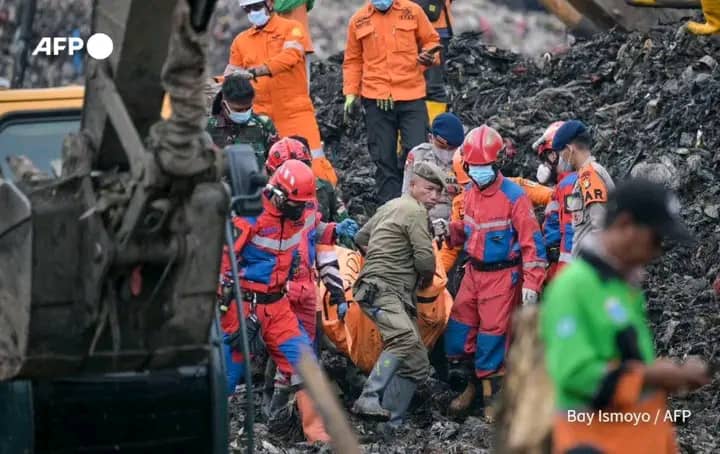
Authorities in Indonesia are continuing search and rescue operations after heavy rainfall triggered severe floods and landslides in several parts of the country.
From late 2025 into early 2026, the disasters killed more than 417 people on Sumatra Island, according to officials. Rescue operations have been slowed by damaged infrastructure, including destroyed roads, power outages, and disruptions to internet and communication services.
Indonesia is one of the countries most frequently affected by natural disasters, particularly landslides, floods, and earthquakes. This vulnerability is largely due to its location along the Pacific Ring of Fire, a region known for intense seismic activity caused by the movement of tectonic plates.
In addition, Indonesia consists of more than 17,000 islands, making many areas highly exposed to heavy rainfall, coastal flooding, and ocean-related disasters.
President Prabowo Subianto has ordered authorities to accelerate emergency response operations, including delivering medical assistance, distributing essential supplies to affected communities, and repairing damaged infrastructure across the country.
Historically, one of the country’s deadliest disasters occurred in 2005 at the Leuwigajah landfill in Cimahi, where a massive waste landslide killed many people.
Rescue teams, including personnel from the National Disaster Management Agency of Indonesia, are currently using heavy machinery to search for people who may still be trapped under landslides or debris in the affected areas.