The University of Rwanda’s Huye campus community gathered in solemn solidarity to honor the memory of the former staff and students of the National University of Rwanda who were brutally murdered during the 1994 Genocide against the Tutsi, confronting the institution’s painful history of betrayal.
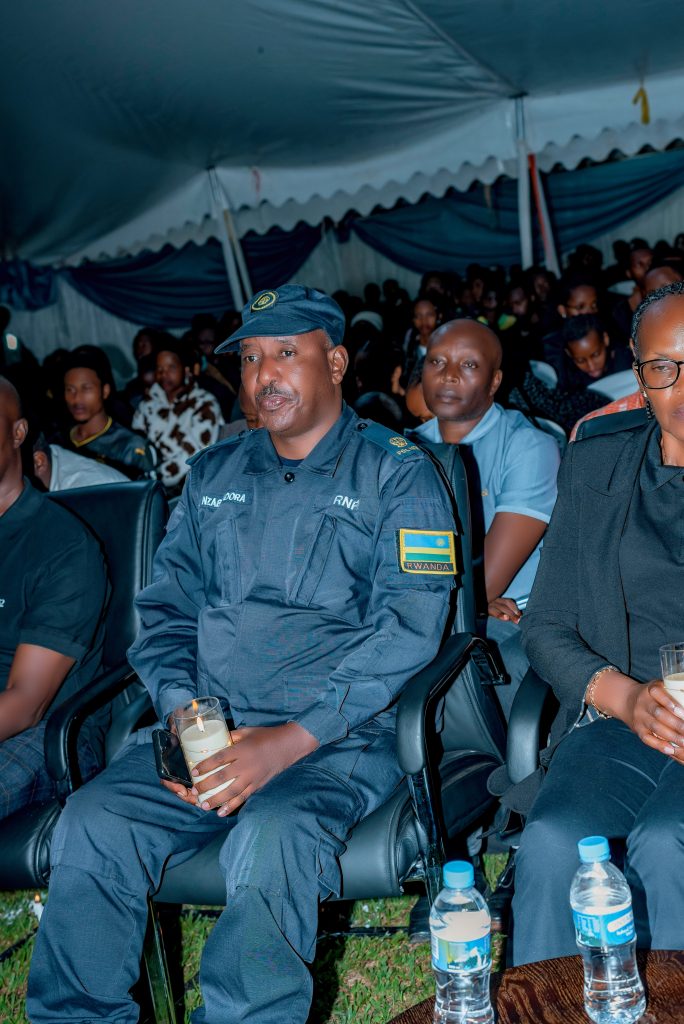
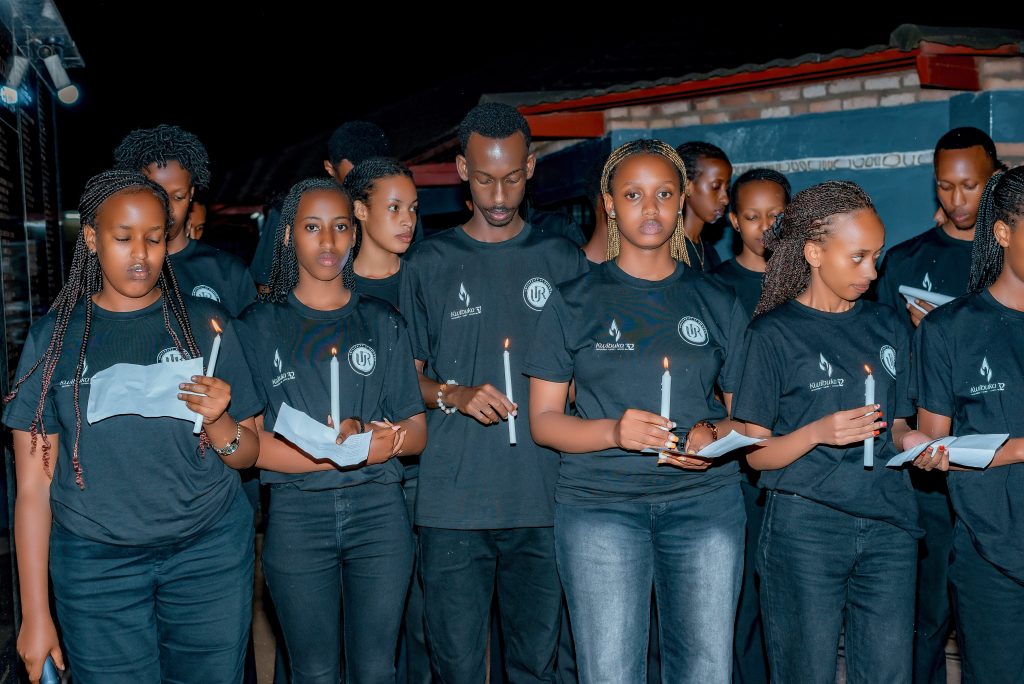
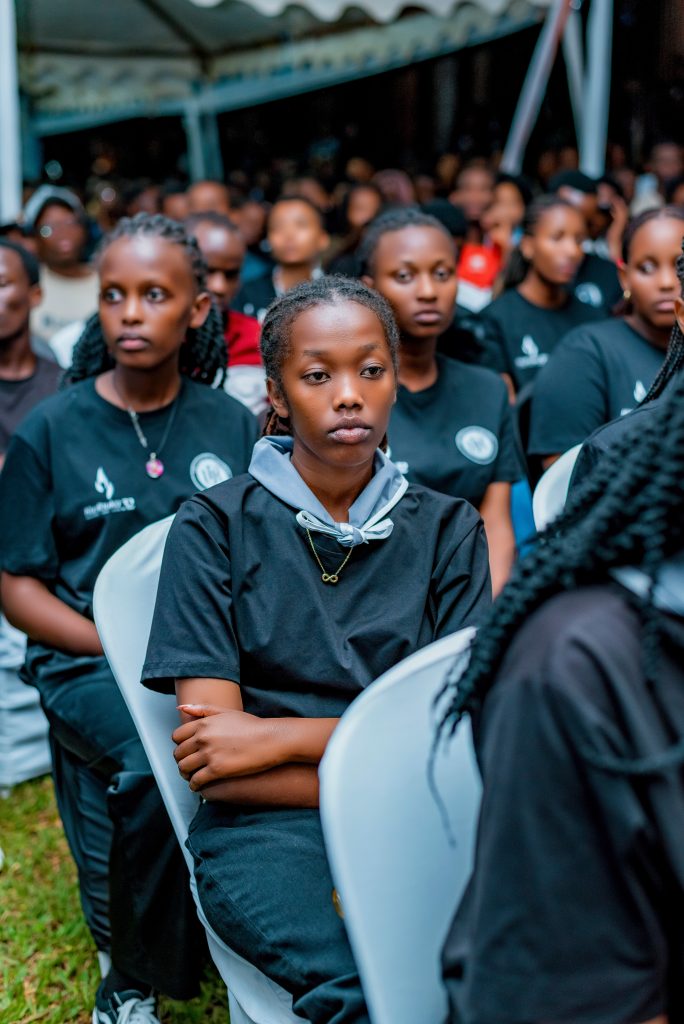
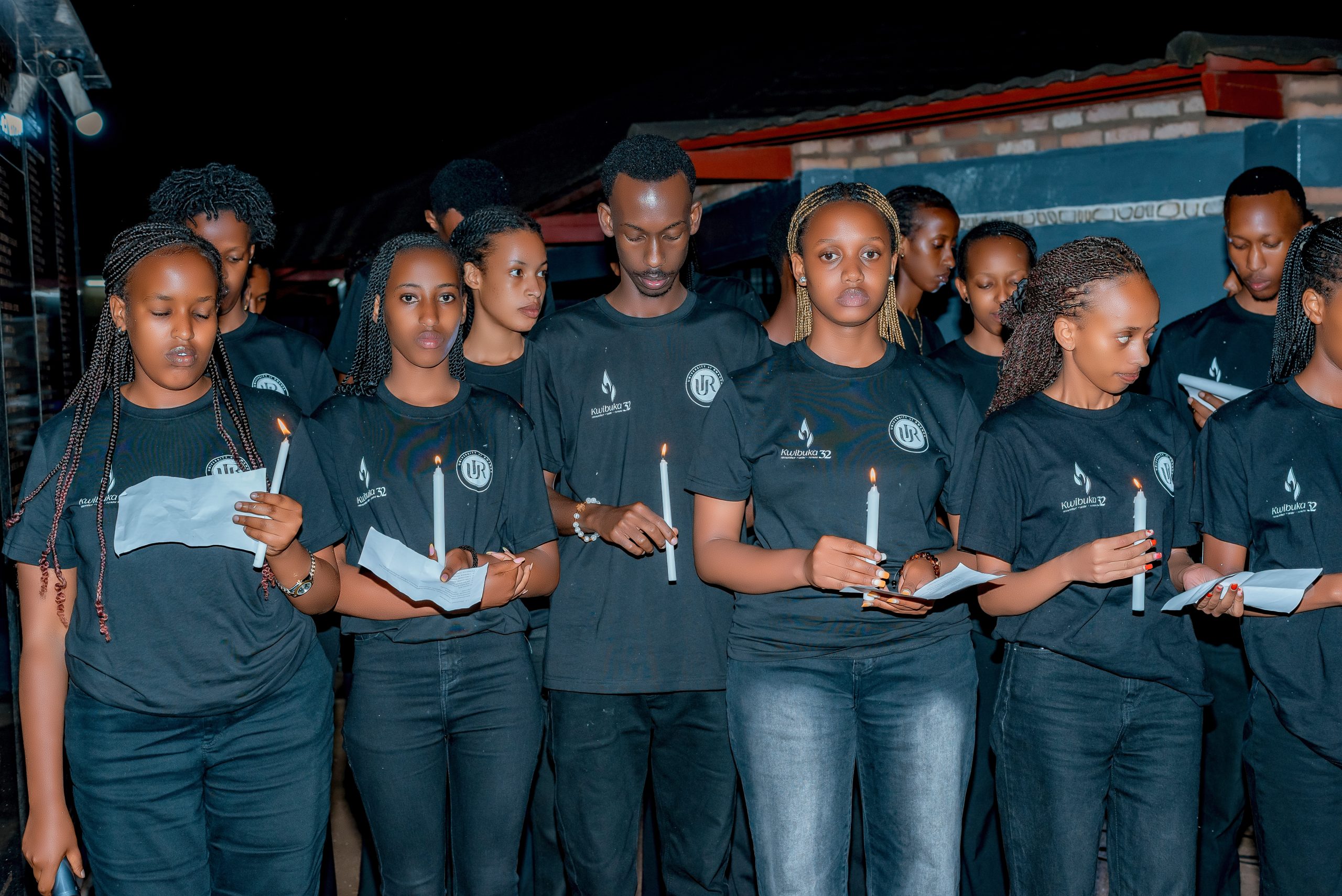
Marking the 32nd commemoration, the activities commenced with a poignant Walk to Remember. Participants, who included Members of Parliament, Senators, university leadership, and the student body, traced a route from the campus gates, passing by the University Teaching Hospital of Butare (CHUB), Rwanda Polytechnic (RP) Huye, and Credo Hotel, before returning to the campus memorial site for a night vigil.
Throughout the vigil, university officials confronted the institution’s tragic past with stark honesty. Dr. Alphonse Mulefu, Principal of the UR Huye campus, expressed profound shame that leaders, lecturers, staff, and students of the former National University actively participated in the slaughter of their own peers. He challenged the current academic community to use this painful reflection to examine their personal roles in ensuring genocide never happens again in Rwanda.
Echoing this sentiment, Vice Chancellor Assoc. Prof. Didas Muganga Kayihura described the campus’s history as a profound disgrace. He noted the deep sorrow that a gathering place for intellectuals—which should have exemplified the very best of society—became a scene of such unimaginable atrocities.
The Vice Chancellor stressed that gathering to commemorate is a moment to restore the dignity the victims were stripped of and to draw vital lessons. He highlighted the university’s critical present-day mandate: to instill proper values in the younger generation entering the campus, champion lasting peace, and actively contribute to building a unified country.
The stark reality of the institution’s history was vividly brought to life through the harrowing testimony of Assumpta Numukobwa, a genocide survivor who had enrolled at the university to study medicine in October 1993.
Numukobwa detailed the systemic discrimination that long preceded 1994. She recalled being ethnically profiled in primary school at Sainte Famille and later being denied secondary education despite ranking first in her class an injustice only rectified when former Prime Minister Agathe Uwilingiyimana personally intervened on her sibling’s behalf.
Upon joining the university, she faced a highly toxic environment where extremist student groups, notably the “Abakonari,” openly harassed and assaulted Tutsi students. After the plane crash on April 6, 1994, the campus rapidly descended into terror. By April 10, Tutsi students were being systematically registered and profiled under the guise of organizing “restaurant arrangements,” forcing them to man barricades such as the one at Mukoni.
On the horrific night of April 21, extremist militia shattered Numukobwa’s dorm window. Singled out specifically as retaliation against her brother, Nyarwaya, who had previously defended Tutsi students from assault, she was dragged outside, brutally beaten with clubs alongside a fellow student named Aimable, and left for dead.
She survived the night hiding in the bush and sought refuge at a local hospital, only to be chased away. After narrowly escaping soldiers at Caritas, she was forced to flee to the Prefecture where extremists were actively sharpening machetes. Numukobwa was ultimately rescued when the RPA Inkotanyi captured Butare. While she miraculously reunited with her parents and younger siblings, she suffered the devastating loss of her aunts, her relative Emmanuel, and many other family members and colleagues.
Demonstrating profound resilience in the aftermath of the genocide, she raised her three children, returned to the university to study Business Administration, and authored a book honoring her fallen peers. Concluding her testimony, Numukobwa expressed deep gratitude to the RPA Inkotanyi and President Paul Kagame for halting the genocide, urging the youth to champion humanity and to never take Rwanda’s unity and peace for granted.
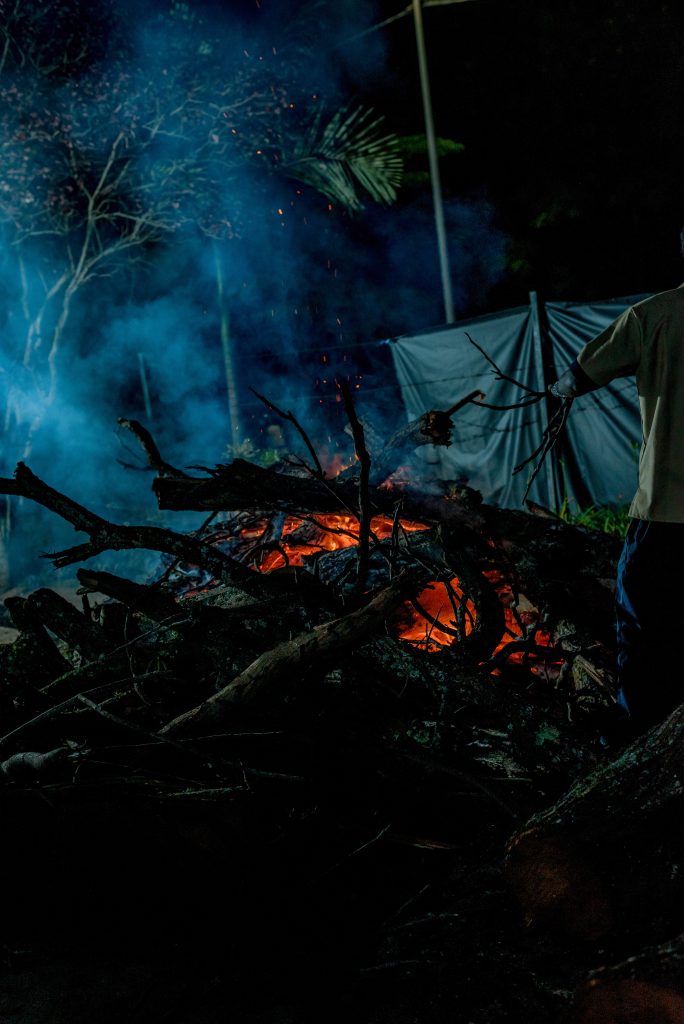
The night vigil culminated in a deeply moving tribute as attendees lit the Flame of Hope. The gathering stood in solemn silence as the names of over 500 victims laid to rest at the university memorial were read aloud, accompanied by comforting messages of hope and resilience for the future.