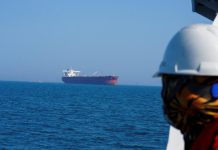
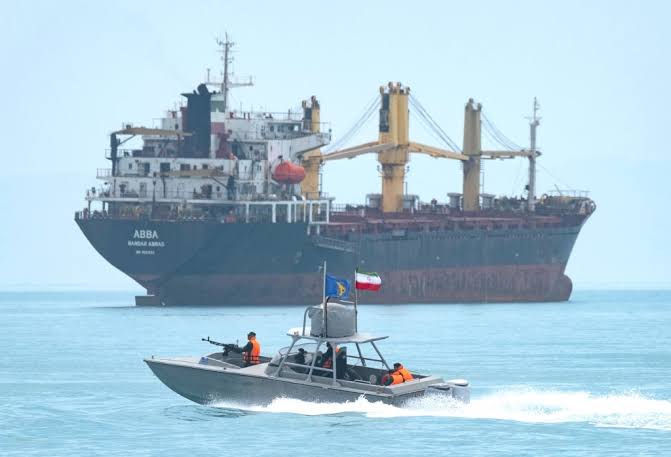
China has issued a strong warning to United States, insisting it will continue sending both naval and commercial vessels through the Strait of Hormuz despite a US-imposed blockade on Iranian ports.
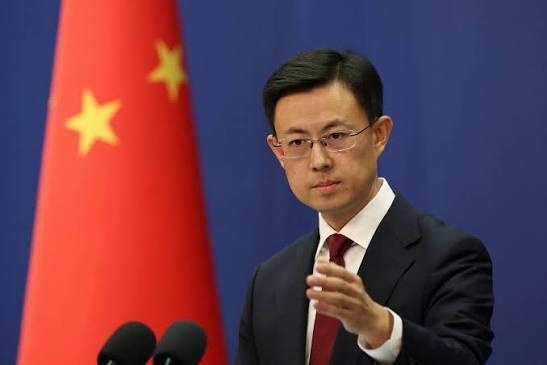
China’s Defence Minister, Dong Jun, said Beijing would not tolerate interference in its trade and energy relations with Iran.
“Our ships are moving in and out of the Strait of Hormuz. We have trade and energy agreements with Iran. We will respect them and expect others not to interfere in our affairs,” he said.
His remarks came shortly after the US military began enforcing a naval blockade on Iranian ports, following the collapse of peace talks held in Islamabad.
The United States Central Command (CENTCOM) announced that the blockade took effect on April 13, targeting vessels entering or leaving Iranian ports. However, it clarified that ships transiting the Strait of Hormuz to non-Iranian destinations would not be obstructed.
The blockade followed the failure of more than 21 hours of negotiations between US and Iranian officials. Iran accused Washington of derailing the talks through shifting demands and aggressive tactics.
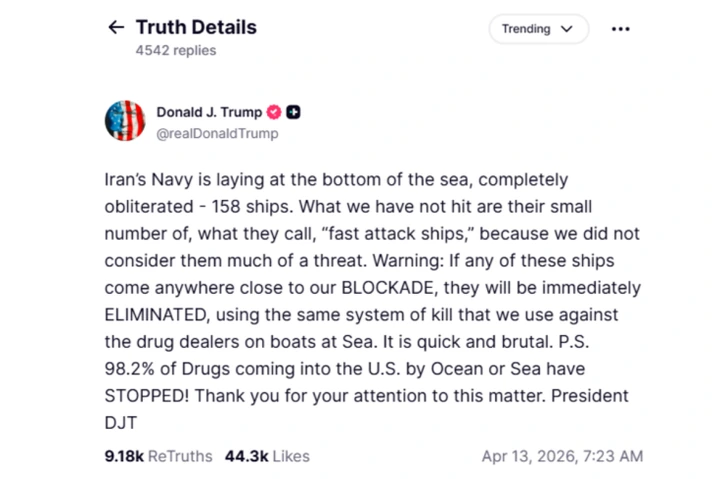
Donald Trump warned that any Iranian vessels attempting to challenge the blockade would face immediate military action, further escalating tensions.
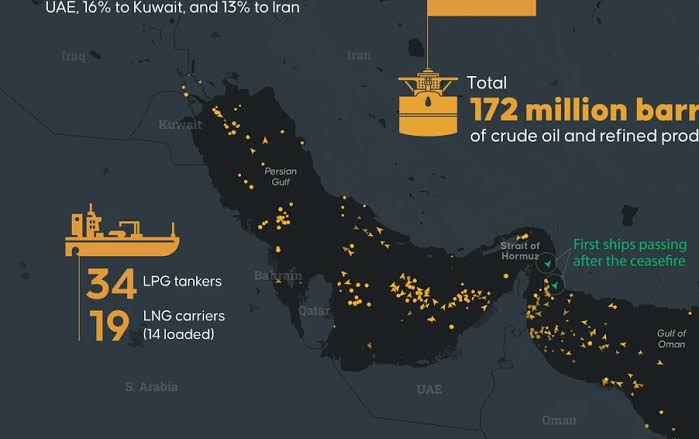
The Strait of Hormuz remains one of the world’s most critical energy routes, carrying nearly 20 percent of global oil and gas supplies. Any disruption to this waterway has significant implications for global energy markets.
China, the world’s largest importer of crude oil and a major buyer of Iranian petroleum, has a strong interest in keeping the route open. Despite rising tensions, Beijing said it remains committed to global peace and stability while maintaining its right to trade with Iran.
Several US allies have expressed concern over the blockade. UK Prime Minister Keir Starmer said Britain does not support the move and stressed the importance of keeping the Strait open.
French President Emmanuel Macron also announced plans to coordinate with partners to ensure freedom of navigation, while Spain criticized the blockade as unnecessary.
Iran has condemned the blockade as illegal and warned that if its ports are threatened, security across the Persian Gulf and Arabian Sea could deteriorate.
With tensions rising and a two-week ceasefire set to expire on April 21, the situation remains highly volatile, raising concerns about further disruptions to global trade and energy supply.